ABOUT THE CAMPAIGN
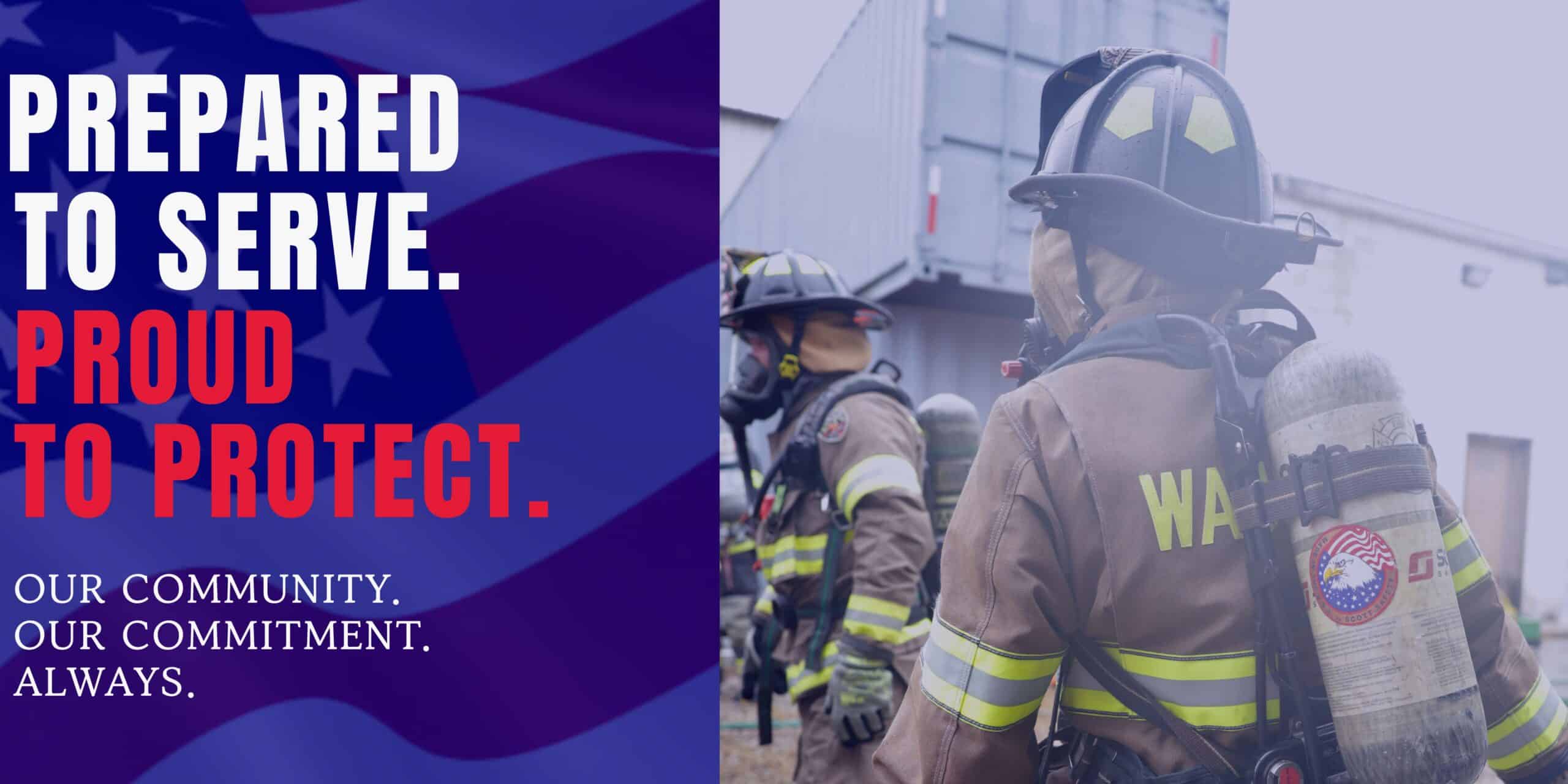
Prepared to Serve. Proud to Protect. is more than a slogan – it’s a reflection of who we are. This campaign highlights the Wauseon Fire Department’s role in emergency response, community education, recruitment and the everyday impact we make in the lives of those who live, work and visit our community.
FEATURED VIDEOS & STORIES
Prepared to Serve.
Proud to Protect.
Meet your
Wauseon Fire Department

Open Interviews
A Second Chance at Life
Community Spotlight
Community FAQ
What does "EMS" mean?
What is Basic Life Support (BLS)?
Basic Life Support, or BLS, is the level of care an Emergency Medical Technician (EMT) is authorized to provide. In practical terms, BLS can include patient assessment, vital signs, CPR, automated defibrillation, oxygen, airway support, bleeding control, splinting, and other emergency care within the EMT scope of practice. A BLS patient may still be seriously ill or injured; “BLS” describes the level of care required, not whether the call is important.
What is Advanced Life Support (ALS)?
Advanced Life Support, or ALS, is the level of treatment a paramedic is authorized to provide. ALS adds advanced assessment and treatment capabilities that can include cardiac monitoring and interpretation, advanced airway procedures, IV or medication therapy, and other paramedic-level interventions when permitted by medical protocol. Not every EMS call requires ALS treatment, but ALS capability must be available when a patient’s condition requires it.
What is a “lift assist,” and how does it affect EMS response?
A lift assist generally involves helping a person who is unable to get up from the floor, chair, bed, or another position without assistance. Many lift-assist calls do not ultimately require ALS treatment or ambulance transportation. However, they still require an EMS response because personnel must determine whether the person fell because of illness, injury, weakness, dizziness, medication effects, or another medical problem. Even when no transport occurs, the call uses personnel and response resources for the time needed to assist, assess, document, and safely return the unit to service.
How does Wauseon normally staff and respond to an EMS call?
Wauseon’s routine response model is designed to match resources to the needs of the patient. A staffed ambulance responds to the EMS call, and a chase vehicle responds with one additional trained EMS person to assist the ambulance crew. This gives the patient an additional trained responder at the scene without requiring a second ambulance to be committed to every routine call. The chase vehicle does not replace the transporting ambulance; it supplements the crew and can return to service when its assistance is no longer needed.